About

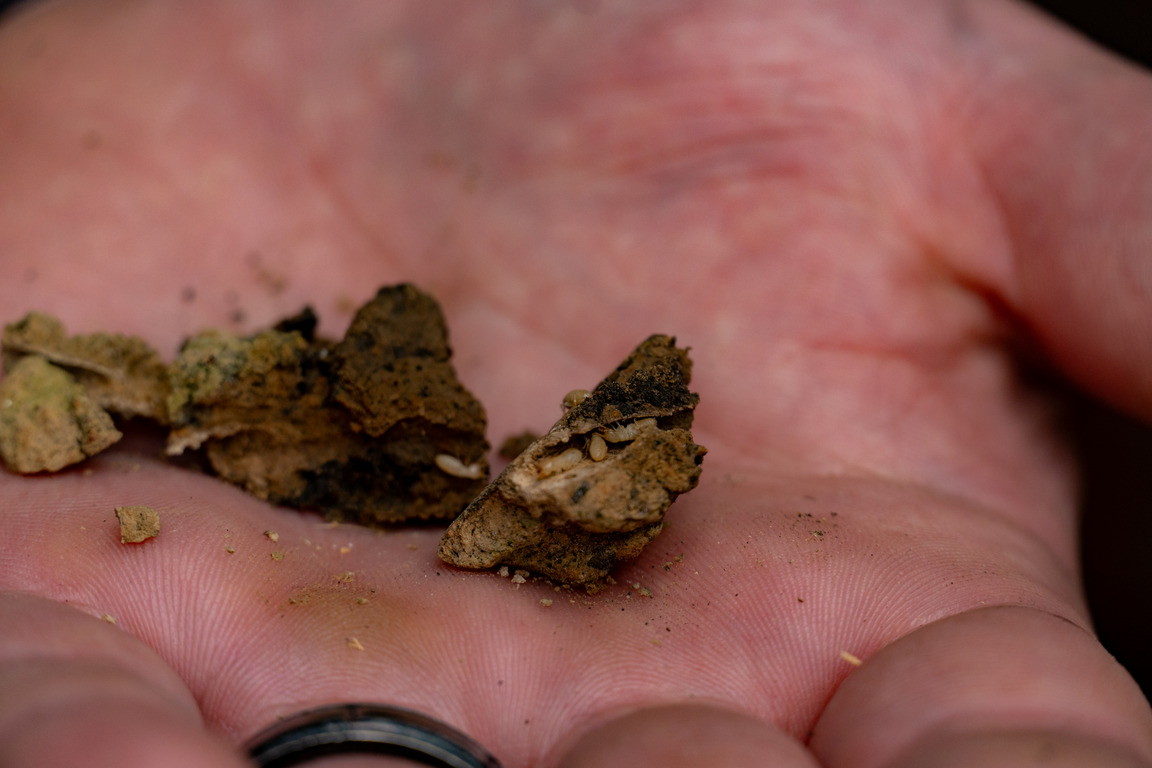
Every year, thousands of homeowners throughout Kentucky, Indiana, Ohio, and Tennessee discover termite damage long after it has started. These silent pests often remain hidden behind walls, under floors, and inside wood structures, causing extensive damage before homeowners notice the warning signs. In fact, termites cause more than $5 billion in property damage across the United States each year, and most homeowners' insurance policies do not cover termite damage. This makes early termite detection and professional termite prevention essential for protecting your home and avoiding costly repairs.
One of the biggest dangers of termite infestation is that termites often go unnoticed until significant termite damage has already occurred. By the time homeowners see visible signs of termites, these destructive pests may have been feeding on the structure for months or even years.
While termites primarily consume wood, they can also damage other cellulose-based materials such as drywall, paper, cardboard, and insulation. Every home is at risk for termite activity, regardless of age or construction type. That's why proactive termite prevention, regular termite inspections, and early detection are critical to protecting your home from costly repairs.
As termite season has arrived, now is the perfect time to know what to watch for and learn how to protect your biggest investment.
The Eastern Subterranean Termite (Reticulitermes flavipes) is the most common termite species found throughout Kentucky, Indiana, Ohio, and Tennessee.
These termites live underground and travel through the soil to reach homes and other structures. Unlike many pests, they stay hidden for most of their lives.
Many homeowners associate termite season with the spring and early summer months when termite swarmers emerge to establish new colonies. This "swarm season" typically begins in late March and can continue through mid-July, depending on weather conditions. However, it's important to understand that termites don't disappear when the swarm season ends. Subterranean termites remain active year-round, continuously feeding on homes and other structures.
During the swarm season, reproductive termites, known as swarmers, leave established colonies to start new ones. This is sometimes the first visible sign that termites are active nearby.
If you notice termites flying around your home or a pile of discarded wings, don't ignore them. It likely means a colony is already established on your property.
One of the common questions we hear at Black Diamond Pest Control is:
“How do I know if my house or property has termites?"
Here are some common signs of termite activity homeowners should look for:
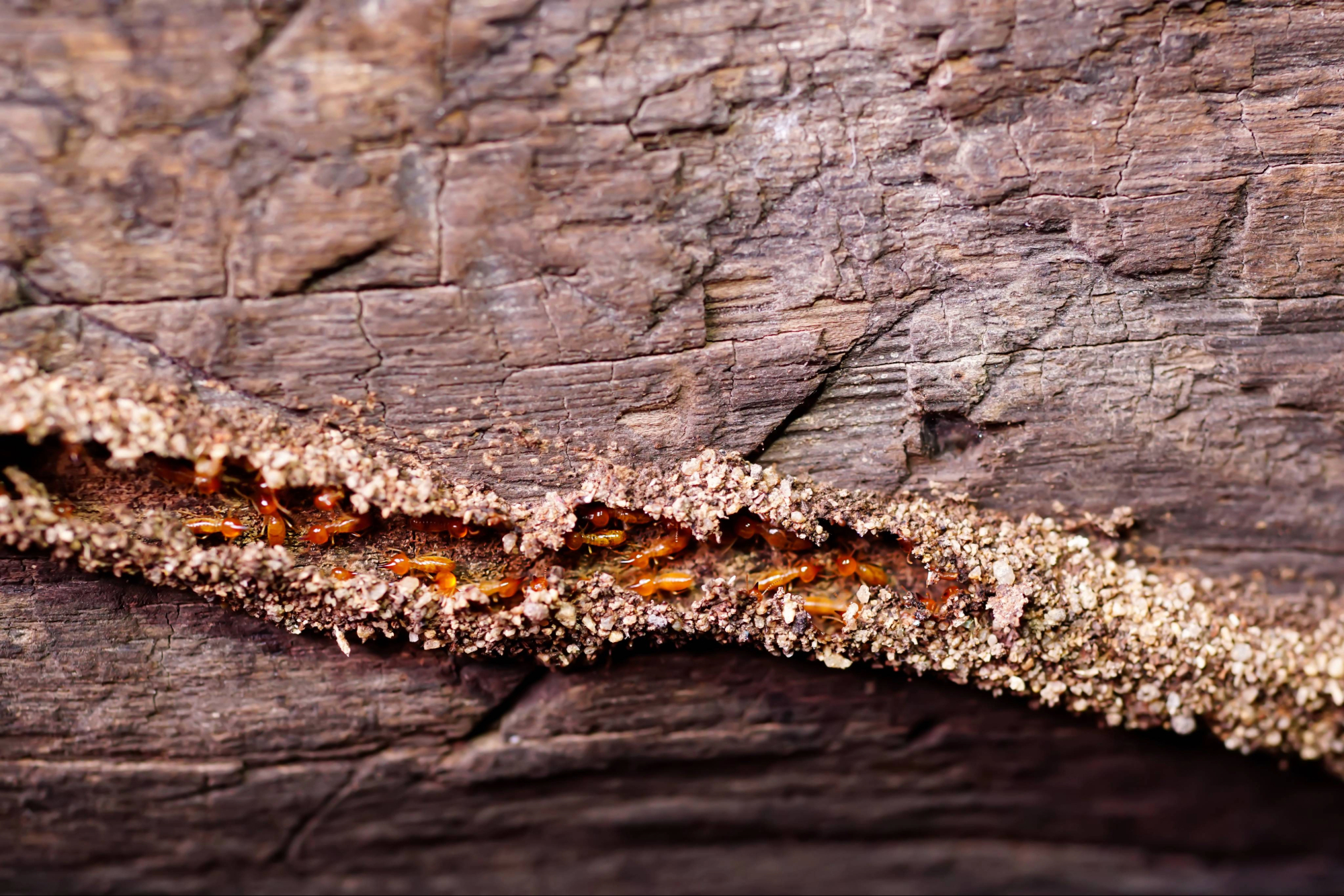
Simply put, termite damage spreads fast enough that you don't want to find out how bad it can get.
Often, it is described as a slow burn, spreading further and further if left untreated. The problem is that termites never stop eating.
As colonies grow larger, damage becomes more widespread, and repair costs continue to increase.
The National Pest Management Association recommends that every homeowner be diligent and have their home inspected on an annual basis. This is mostly due to the medium-to-high-termite presence throughout our service areas.
Contact Black Diamond Pest Control today to schedule a professional termite inspection and learn about our proven termite protection solutions.
Your home is one of your biggest investments. Let's help keep it protected.

Expert Reviewed by Keith Duncan, CEO of Black Diamond Pest Control.
Keith Duncan, Jr. is the CEO of Black Diamond Pest Control, a family-owned pest management company headquartered in Jeffersonville, Indiana. With decades of hands-on experience in the pest control industry, he began his career as a termite technician and has since held nearly every role within the company. This comprehensive background has given him deep expertise in pest behavior, treatment methods, and long-term prevention strategies for general and specialty pest services including termites and bed bugs, wildlife control, and turf maintenance.