About

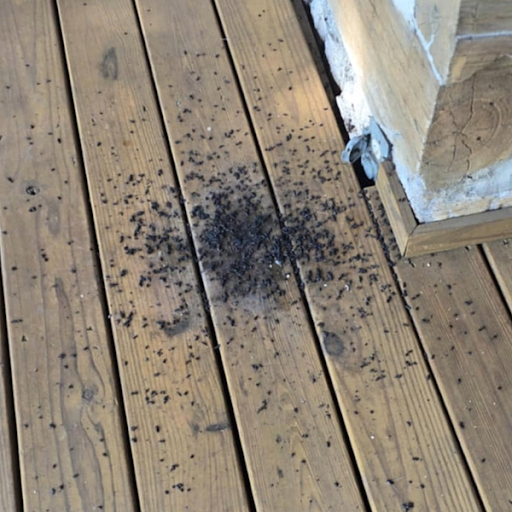
If you've discovered small black droppings in your attic, garage, or on the ground or deck under your roofline, you may be wondering what they are and whether you have a bat problem.
Known as bat guano, these droppings are often the primary sign of an infestation, though they are easily mistaken for mouse feces. Unlike rodent droppings - which are hard and rubbery - bat guano is brittle and crumbles into a powdery dust flecked with shiny insect parts. Accurately identifying guano is essential - not only to confirm you have bats, but to avoid health risks and ensure you take the proper, legally compliant steps to handle them.
If you discover bats in your home, you cannot simply exterminate or trap them. Bats are vital to our ecosystem and are heavily protected by state wildlife agencies such as the Kentucky Department of Fish and Wildlife Resources (KDFWR), the Indiana Department of Natural Resources (IDNR), the Tennessee Wildlife Resources Agency (TWRA), and the Ohio Division of Wildlife as well as federal regulations like the Endangered Species Act.
At Black Diamond Wildlife Control, we help homeowners throughout Louisville, Southern Indiana, Cincinnati, Indianapolis, Lexington, Nashville, and Murfreesboro safely remove bats while complying with the federal and state laws, cleaning the contaminated areas, and permanently sealing the homes against future infestations.
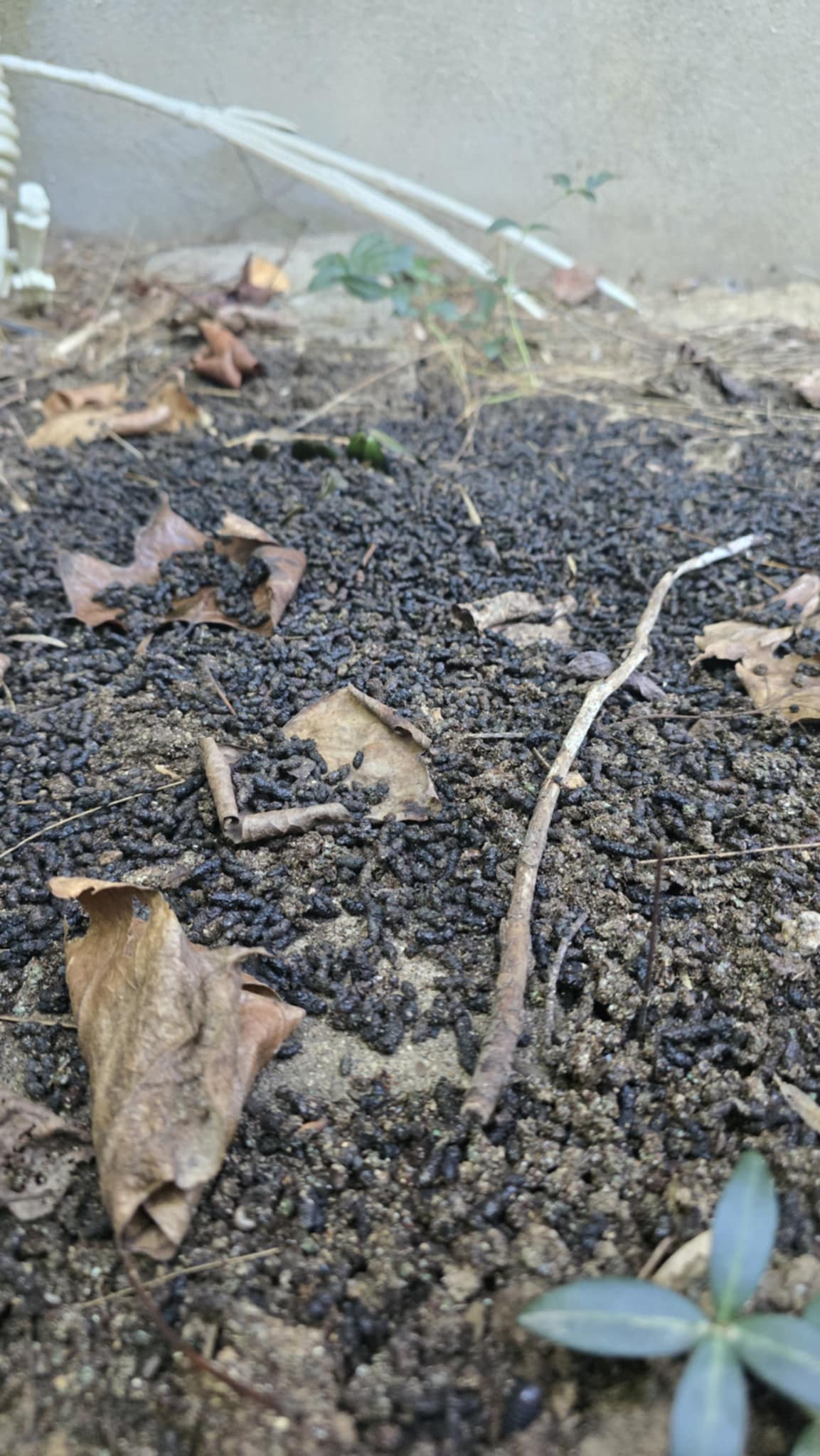
Bat droppings are more than just an unpleasant mess. Large accumulations can indicate an active bat colony and may create health concerns if left untreated.
The sooner you recognize what bat droppings look like, the sooner you can:
Many homeowners mistake bat droppings for rodent droppings, delaying exclusion.
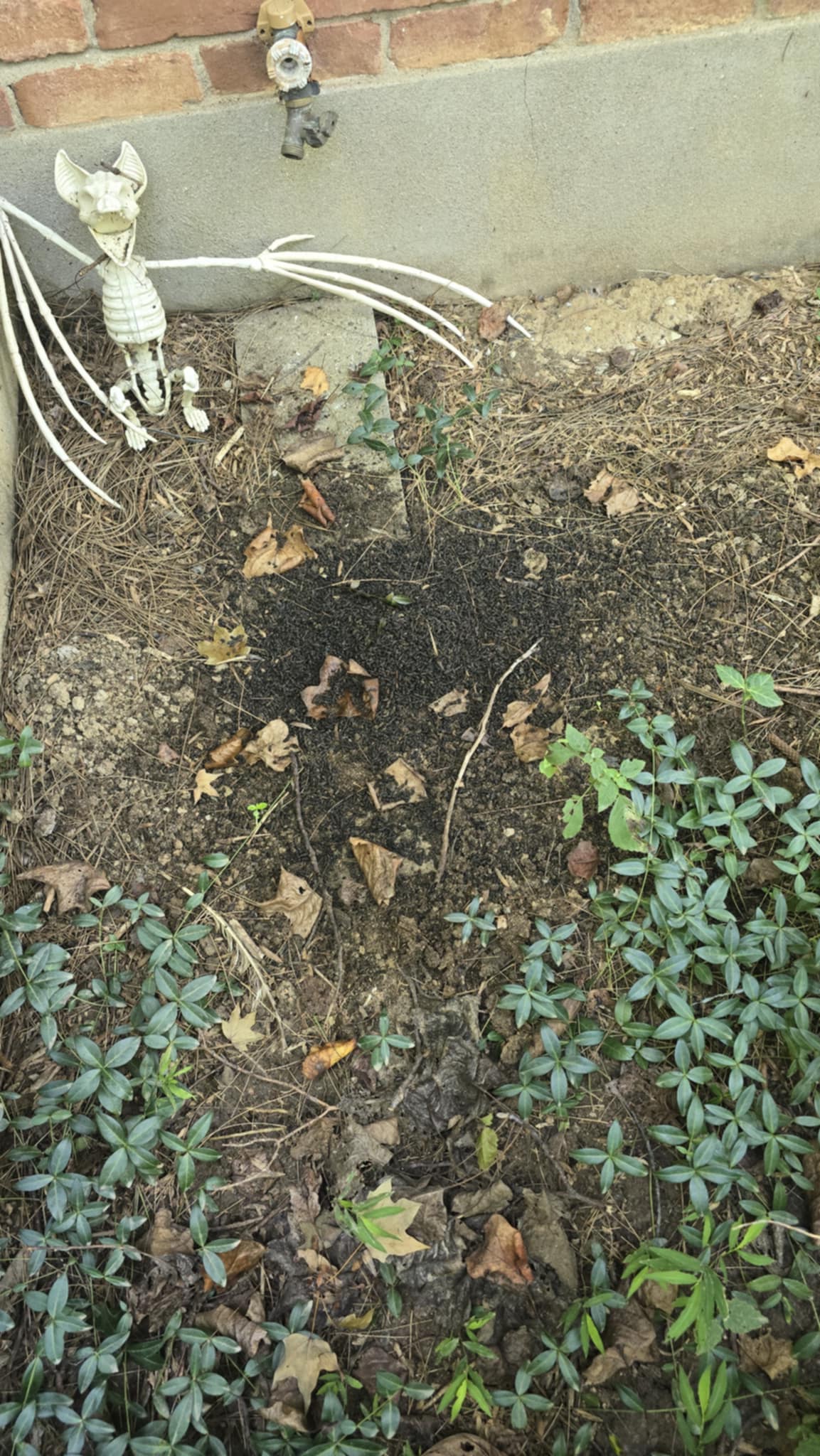
One of the easiest ways to begin bat droppings identification is by looking closely at the droppings themselves.
Bat guano typically has these characteristics:
Unlike rodent droppings, bat guano breaks apart into a powder when crushed because bats primarily eat insects. You may even notice tiny shiny insect wing fragments inside the droppings.
Fresh droppings are darker and slightly moist, while older guano becomes lighter and much more fragile.
Many homeowners confuse bats with mice because both animals often live in attics and crawl spaces.
Here's how to tell the difference:
Rat droppings are typically much larger than either bat or mouse droppings and remain firm instead of crumbling.
If you're unsure, avoid handling the droppings yourself.
Knowing where bats roost makes it easier to identify bat guano.
Common locations include:
Outside your home, you may also notice piles of droppings beneath rooflines, vents, or other entry points.
Unlike rodents, bats often return to the same roost every day, causing droppings to accumulate into noticeable piles over time.
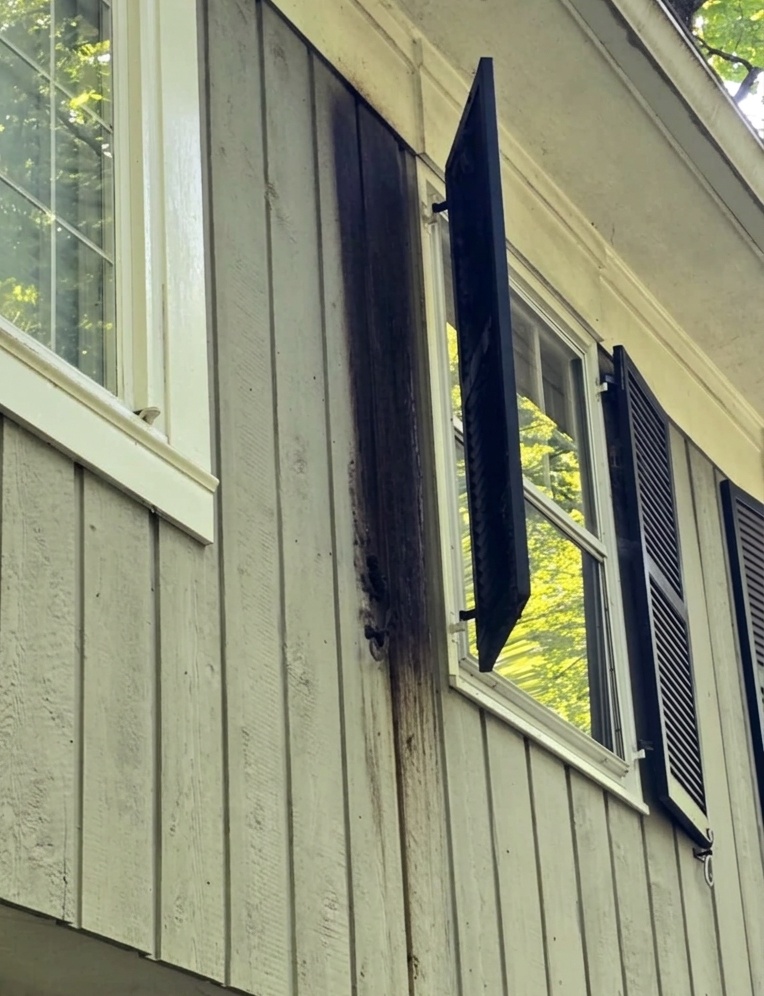
A few isolated droppings don't always mean you have a large colony.
However, increasing amounts of guano often indicate bats have been living inside your home for weeks or even months.
Other signs of an active bat infestation include:
As colonies grow, guano builds up quickly. Large piles can compress insulation, create unpleasant odors, and attract insects.
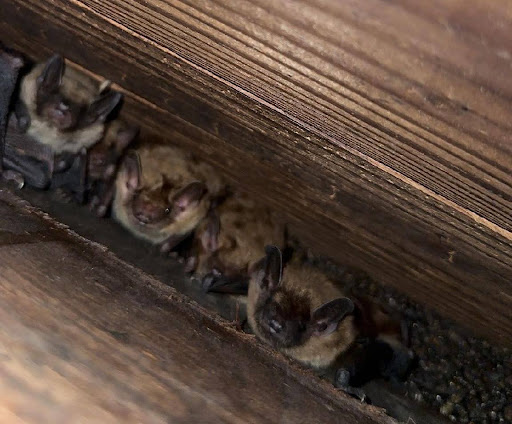
Yes. Bat droppings can pose health risks, especially when they accumulate in enclosed spaces.
The biggest concern is histoplasmosis, a respiratory disease caused by breathing fungal spores that may grow in bat guano.
When dried droppings are disturbed by sweeping, vacuuming, or even walking through an attic, microscopic spores can become airborne.
Possible symptoms may include:
Not everyone exposed becomes sick, but individuals with weakened immune systems, older adults, and young children may face greater risks.
For this reason, professional guano remediation is recommended whenever significant bat droppings are present.
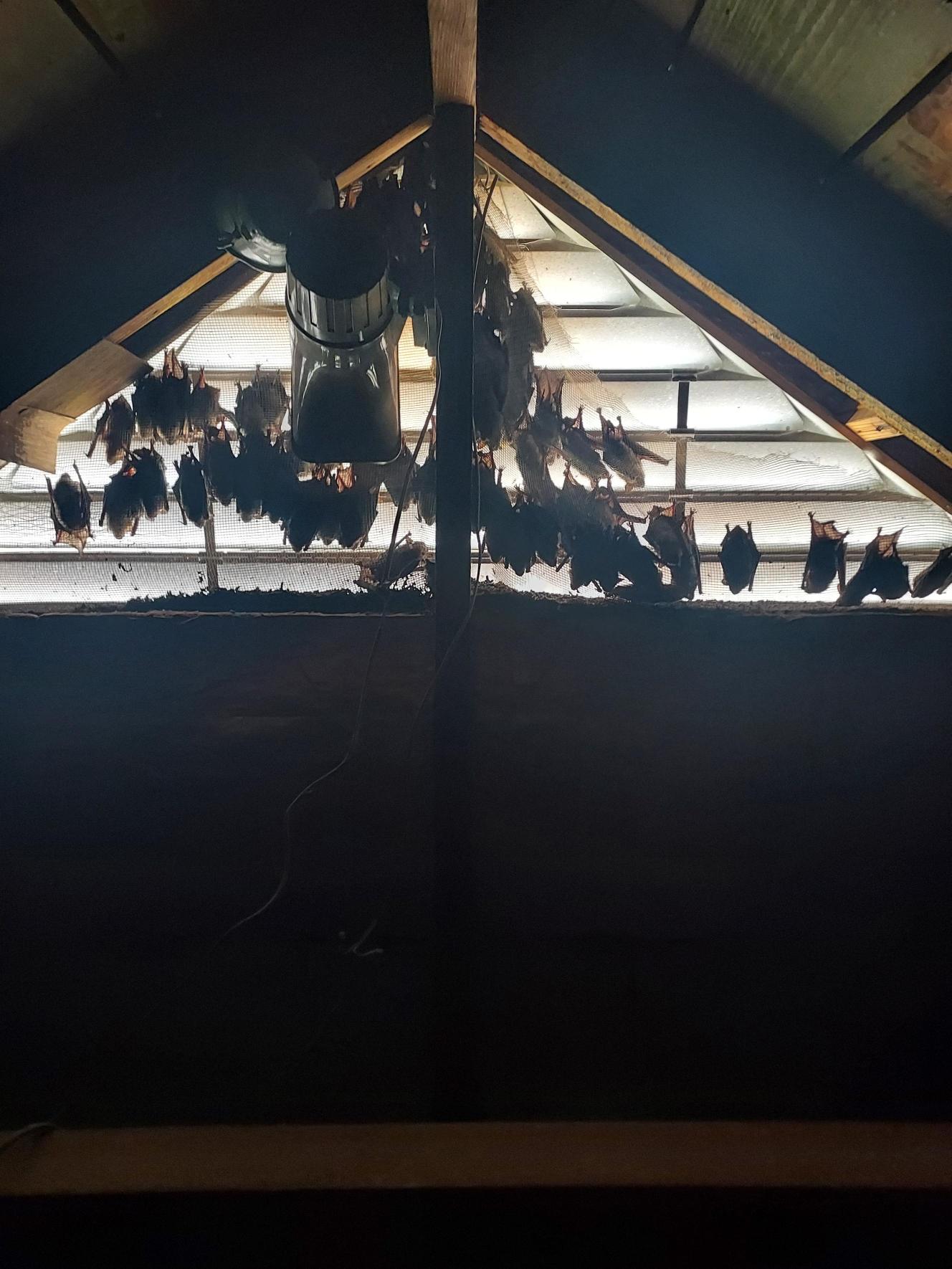
Your attic provides nearly everything bats need.
They look for:
Even incredibly small openings can provide access.
Common bat entry points include:
Many homes have multiple entry points that homeowners never notice.
If you believe you've found bat guano, avoid these common mistakes.
Many bat species are protected under state and federal wildlife regulations.
If a bat poses an immediate health risk, urgent measures may be necessary - but homeowners should always contact Black Diamond rather than attempting a DIY solution. Because many bat species are federally protected and endangered, trying to remove or exclude them yourself can lead to severe legal consequences, including hefty fines and potential imprisonment.
In many areas, wildlife professionals must also avoid excluding bats during maternity season when young bats are unable to fly.
That means timing matters.
Professional wildlife removal companies understand:
Attempting DIY removal without understanding these laws can make the problem worse.
Cleaning bat guano involves much more than removing visible droppings.
Professional remediation often includes:
The most effective way to solve a bat problem is through humane bat exclusion.
Instead of trapping or harming bats, Black Diamond’s wildlife professionals install one-way exclusion devices that allow bats to leave naturally but prevent them from returning.
Once all bats have safely exited, technicians:
This permanently prevents future infestations while protecting local bat populations.
You should contact Black Diamond if you notice:
The sooner an infestation is addressed, the easier and often less expensive it is to resolve.
If you've found what you believe are bat droppings, don't wait for the problem to grow.
Black Diamond Wildlife Control provides humane bat exclusion, professional guano cleanup, attic decontamination, insulation replacement, and long-term bat prevention throughout Louisville, Southern Indiana, Cincinnati, Indianapolis, Lexington, Nashville, and Murfreesboro.
Our experienced wildlife specialists know how to safely identify bat infestations, remove colonies without harming protected wildlife, and permanently seal your home against future invasions.
If you're unsure whether you've found bat guano or rodent droppings, schedule a professional inspection. We'll identify the source, explain your options, and help restore your home safely.

Expert Reviewed by Keith Duncan, CEO of Black Diamond Pest Control.
Keith Duncan, Jr. is the CEO of Black Diamond Pest Control, a family-owned pest management company headquartered in Jeffersonville, Indiana. With decades of hands-on experience in the pest control industry, he began his career as a termite technician and has since held nearly every role within the company. This comprehensive background has given him deep expertise in pest behavior, treatment methods, and long-term prevention strategies for general and specialty pest services including termites and bed bugs, wildlife control, and turf maintenance.